
Sleep isn’t just about bedtime habits—it’s also deeply influenced by nutrition. Using insights from recent nutrition research and AI-driven analysis of sleep studies, we now know that certain foods can actively support sleep quality by influencing melatonin, serotonin, magnesium, and blood sugar regulation. At the same time, other common foods may disrupt sleep by increasing alertness, digestion demands, or nighttime awakenings. This article breaks down 10 foods scientifically linked to better sleep and 5 foods that may keep you awake, helping you make smarter choices that support deeper rest, recovery, and long-term wellness.
How Diet Affects Sleep Quality (And Why It Matters More Than You Think)
If you’ve ever struggled to fall asleep, even after limiting screen time, setting the perfect bedroom temperature, and winding down, you’re not alone. What many people overlook is how strongly diet affects sleep quality.
Research published in Advances in Nutrition shows that what you eat influences not just whether you sleep, but how well you sleep. The study found that overall dietary patterns affect sleep architecture, including deep slow‑wave sleep, REM sleep, and nighttime awakenings. Higher‑protein meals were associated with fewer wake episodes during the night, while higher‑carbohydrate meals were shown to significantly reduce the time it takes to fall asleep; demonstrating that macronutrient balance can measurably influence sleep quality.
Key insight: Diet doesn’t just impact sleep duration, it directly affects sleep depth, continuity, and efficiency.
What you eat, when you eat, and even portion size can influence your body’s ability to relax, produce melatonin, and stay asleep through the night. At Weight Loss Direct, we’ve found that targeting specific foods can help stack the odds in your favor for better sleep…naturally.
Below are 10 foods that help you sleep and 5 foods that can interfere with sleep, along with simple, practical guidance on how to use them effectively.
10 Foods That Help You Sleep
1. Whole Grains
Whole grains like oats, brown rice, quinoa, and whole‑grain bread support sleep by increasing insulin production, which helps tryptophan reach the brain more efficiently.
Sleep‑supporting data:
• 1 cup of cooked oats provides ~58 mg magnesium (~14% DV)
• Whole grains supply tryptophan, a precursor to serotonin and melatonin
• Magnesium intake has been associated with improved sleep duration and quality
Best options: Oats, brown rice, quinoa, whole‑grain toast
2. Nuts & Seeds
Nuts and seeds, including almonds, walnuts, cashews, pumpkin seeds, and sunflower seeds, provide healthy fats that support serotonin production.
Sleep‑supporting data:
• Pumpkin seeds provide ~156–184 mg magnesium per ounce
• Walnuts naturally contain melatonin (measured in nanogram amounts)
• Diets higher in magnesium and healthy fats are linked to better sleep efficiency
Tip: Choose plain or dry‑roasted varieties without added sugars or oils.
3. Eggs
Eggs are a high‑quality protein source and rich in tryptophan, an amino acid required for serotonin and melatonin production.
Sleep‑supporting data:
• One large egg provides ~160–170 mg tryptophan
• Tryptophan intake has been shown to support sleep onset and circadian rhythm regulation
4. Kiwi
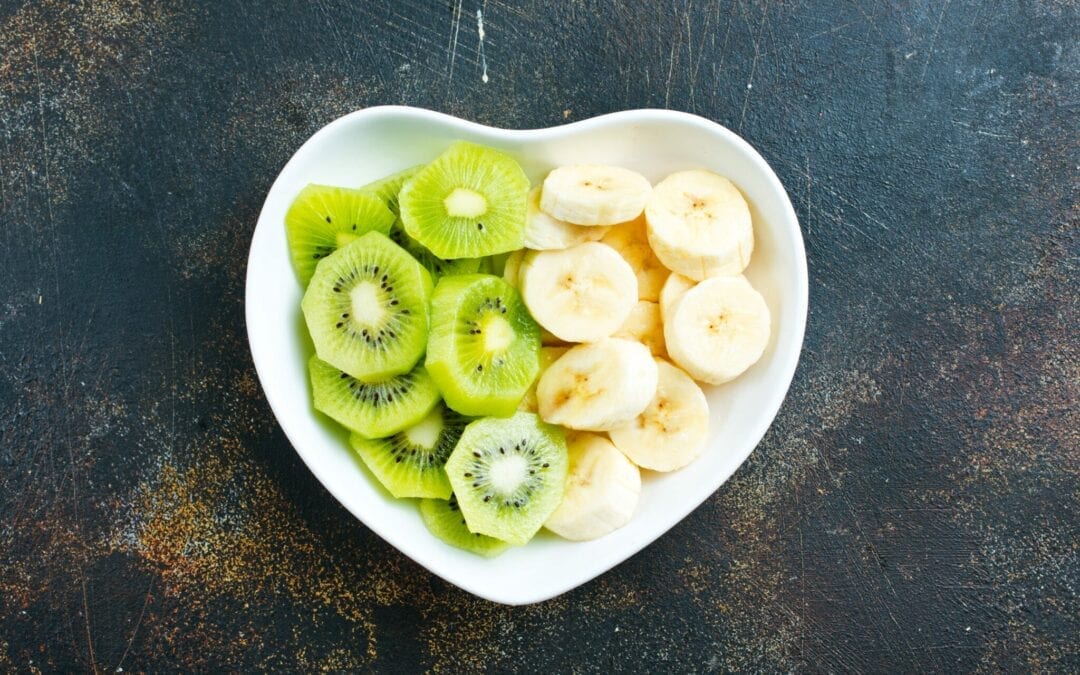
Research has shown that eating kiwi about an hour before bed may help people fall asleep faster and stay asleep longer.
Sleep‑supporting data:
• Studies show eating 2 kiwis before bed reduced time to fall asleep by ~30–35%
• Nighttime wakefulness decreased by ~28–30%
• Kiwis contain serotonin and folate, both linked to sleep regulation
5. Bananas
Bananas provide potassium and magnesium (two minerals that help muscles relax and calm the nervous system).
Sleep‑supporting data:
• One medium banana provides ~32 mg magnesium (~8% DV)
• Provides potassium to support nerve signaling and muscle relaxation
• Contains small amounts of tryptophan
6. Cherries
Cherries, especially tart cherries, are one of the few natural food sources of melatonin.
Sleep‑supporting data:
• Tart cherry juice has been shown to increase total sleep time by ~40 minutes
• Naturally supports melatonin levels and circadian rhythm
7. Turkey
Turkey is famously associated with sleepiness due to its high tryptophan content.
Sleep‑supporting data:
• 100 g of turkey provides ~280–290 mg tryptophan
• Higher protein intake has been linked to improved sleep quality when eaten earlier in the evening
8. White Rice
White rice has a high glycemic index, which may help tryptophan enter the brain more efficiently when eaten 1–2 hours before bed.
Sleep‑supporting data:
• High‑GI meals before bed have been linked to shorter sleep latency
• White rice contains measurable melatonin in small amounts
9. Fatty Fish
Fatty fish like salmon, sardines, and tuna provide omega‑3 fatty acids and vitamin D.
Sleep‑supporting data:
• 100 g of salmon provides ~2 g omega‑3 fatty acids (DHA + EPA)
• Omega‑3 intake has been linked to improved serotonin regulation and sleep efficiency
10. Milk
Milk contains tryptophan and may help increase serotonin and melatonin production about an hour after consumption.
Sleep‑supporting data:
• One cup of milk provides ~100 mg tryptophan
• Warm milk may also promote relaxation through parasympathetic nervous system activation
5 Foods That Can Keep You Awake
1. Citrus Fruits
Citrus fruits act as natural diuretics, which can increase nighttime urination and disrupt sleep cycles.
Sleep-disrupting data:
• Citrus fruits increase urine production due to natural acids and potassium content
• Nighttime bathroom trips are linked to fragmented sleep and reduced deep sleep
2. Chocolate
Chocolate contains caffeine and theobromine, both stimulants that can interfere with falling asleep.
Sleep-disrupting data:
• Dark chocolate contains ~20–30 mg caffeine per ounce
• Theobromine increases heart rate and alertness, prolonging sleep latency
3. Pizza & Acidic Foods
Pizza combines acidic tomato sauce, fat, and refined carbs all of which can interfere with digestion at night.
Sleep-disrupting data:
• Acidic foods increase risk of nighttime reflux
• High-fat meals delay gastric emptying, increasing nighttime discomfort
4. Spicy Foods
Spicy foods contain capsaicin, which raises body temperature and can trigger heartburn.
Sleep-disrupting data:
• Elevated body temperature is associated with delayed sleep onset
• Capsaicin has been shown to increase sleep disturbances in sensitive individuals
5. Ice Cream & Sugary Desserts
Ice cream combines high sugar and high fat, which can spike blood sugar and keep the nervous system active.
Sleep-disrupting data:
• High sugar intake before bed is linked to more nighttime awakenings
• High-fat foods require longer digestion, reducing sleep efficiency
How to Use These Foods for Better Sleep
Timing and portion size matter just as much as food choice. For best results:
• Eat sleep-supportive foods 1–2 hours before bed
• Pair tryptophan-rich foods with complex carbohydrates
• Avoid large, high-fat, or high-sugar meals late at night
• Stay consistent—sleep responds best to routine
Quick Comparison: Foods That Help vs. Foods That Hurt Sleep
| Category | Key Nutrient or Trigger | Sleep Impact |
|---|---|---|
| Whole grains | Magnesium, tryptophan | Faster sleep onset, better sleep quality |
| Nuts & seeds | Magnesium, melatonin | Improved sleep efficiency |
| Kiwi | Serotonin, folate | Shorter time to fall asleep |
| Cherries | Melatonin | Longer total sleep time |
| Citrus | Diuretic effect | Nighttime awakenings |
| Chocolate | Caffeine, theobromine | Delayed sleep onset |
| Ice cream | Sugar + fat | Reduced sleep efficiency |
The Takeaway
Sleep-friendly nutrition is one of the most overlooked tools for better rest and long-term weight management. By prioritizing foods that support serotonin, melatonin, and mineral balance—and avoiding foods that overstimulate digestion or the nervous system, you can improve sleep naturally.
Interested in how sleep impacts weight loss? Be sure to check out our article on The Importance of Sleep When Losing Weight.
At Weight Loss Direct, we help you make realistic, sustainable nutrition changes that support better sleep, energy, metabolism, and long-term results.
Frequently Asked Questions
Q1: What food helps you fall asleep fastest?
Foods rich in tryptophan and magnesium such as kiwi, oats, and tart cherries have been shown to reduce sleep latency.
Q2: Is eating before bed bad for sleep?
Large or high-fat meals can disrupt sleep, but small, nutrient-rich snacks may actually improve sleep quality.
Q3: What nutrients are most important for sleep?
Magnesium, tryptophan, omega-3 fatty acids, potassium, and melatonin all play roles in sleep regulation.
Interested in sleeps effects on weight loss? Check out our post on The Importance of Sleep When Losing Weight.