
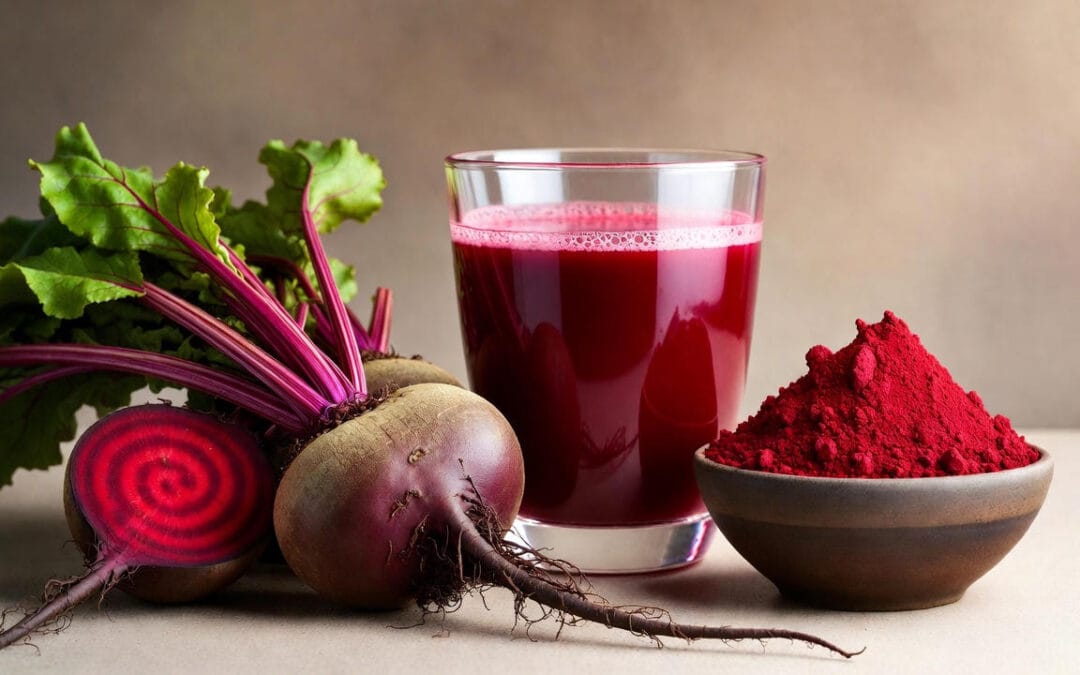
Beetroot powder, derived from dried and ground red beets, is a concentrated source of nitrates and betalains. Studies show it can support cardiovascular health, lower blood pressure, enhance exercise performance, and provide antioxidant and anti-inflammatory benefits. Emerging research suggests potential cognitive support and oral microbiome benefits. It’s generally safe when used responsibly, though high nitrate intake and oxalates may pose risks for some individuals.
What Is Beetroot Powder & Why It’s Trending
Beetroot powder is made by drying and grinding whole red beets (Beta vulgaris L.) into a versatile, shelf-stable powder.
It has gained popularity due to its concentrated bioactive compounds, particularly dietary nitrates and betalains, which have measurable effects on cardiovascular function, athletic performance, and overall wellness. Its ease of use in smoothies, shakes, and recipes makes it a practical choice for consumers seeking a natural supplement to support heart and metabolic health.
Beetroot Powder Nutrition & Key Nutrients
Beetroot powder contains high levels of nitrates, which the body converts into nitric oxide to relax blood vessels and improve circulation.
It also provides betalains, which are potent antioxidants, alongside essential nutrients such as fiber, potassium, folate, and vitamin C. These nutrients collectively support heart health, metabolic function, and immune resilience.
Unlike beet juice, the powder form allows for higher nitrate concentration without excess sugar or liquid volume.
Beetroot Powder Health Benefits Backed by Science
1. Beetroot Powder for Heart Health and Blood Pressure Support
Beetroot powder’s nitrates play a central role in cardiovascular health. After consumption, nitrates convert to nitric oxide, promoting vasodilation and improved circulation.
Clinical studies consistently demonstrate that beetroot supplementation can reduce both systolic and diastolic blood pressure, offering a natural approach for individuals with prehypertension or hypertension. Enhanced blood flow also improves oxygen delivery to tissues, supporting overall cardiovascular function.
2. Beetroot Powder for Exercise Performance and Endurance
Beetroot powder can enhance athletic performance by increasing nitric oxide availability, improving oxygen delivery to muscles, and delaying fatigue. Research shows both elite and non-elite athletes benefit from improved endurance and exercise efficiency after consuming nitrate-rich beet products.
Consuming 2–3 hours before exercise is recommended for peak effects.
3. Antioxidant and Anti-Inflammatory Benefits of Beetroot Powder
Betalains, the pigments responsible for beetroot’s red color, act as powerful antioxidants, neutralizing free radicals and reducing oxidative stress. Studies suggest they may lower markers of inflammation and support metabolic health. Preliminary lab evidence also points to anti-tumor potential, though human trials are limited.
4. Beetroot Powder for Digestive Health and the Gut Microbiome
The fiber in beetroot powder promotes regular bowel movements and supports beneficial gut bacteria.
Nitrate-rich foods like beetroot may influence the oral and gut microbiome, indirectly supporting nitric oxide production and cardiovascular health. These findings highlight beetroot powder’s role in gut and metabolic function.
5. Beetroot Powder for Brain Health and Cognitive Support
By enhancing cerebral blood flow and oxygenation, nitrate-rich beetroot powder may support cognitive function.
In one study of healthy adults consuming beetroot juice with ~5.5 mmol of nitrate, researchers observed increased cerebral perfusion during cognitive tasks and improved task performance. While results vary and more research in older adults is needed, improved circulation provides a physiological basis for these potential cognitive benefits.
6. May Aid Weight Management
Beetroot powder may support weight management indirectly through several mechanisms.
Its fiber content can promote satiety, helping you feel fuller for longer and potentially reducing overall calorie intake. At the same time, enhanced exercise performance from improved oxygen delivery and endurance allows for more effective workouts, which can contribute to maintaining a healthy body composition.
While beetroot powder is not a weight loss supplement on its own, incorporating it as part of a balanced diet and active lifestyle can complement weight management efforts.
7. Skin, Immunity & Other Potential Perks
Beyond cardiovascular, cognitive, and exercise benefits, beetroot powder’s antioxidant and anti-inflammatory compounds may support skin health and immune function.
Betalains help neutralize free radicals, which can reduce oxidative stress in skin cells, promoting a healthy complexion.
Additionally, vitamin C and other nutrients present in beetroot powder support immune resilience, helping the body respond to infections and environmental stressors. While research is still emerging in these areas, these effects highlight the broader wellness potential of regular beetroot consumption.
Beetroot Powder vs Beet Juice vs Whole Beets
While all forms provide nitrates and antioxidants, beetroot powder offers the highest concentration and convenience.
Beet juice is effective but contains more water and sugar, while whole beets provide fiber and nutrients but lower nitrate density per serving.
Selecting the appropriate form depends on your goals, whether for supplementation, nutrition, or pre-workout performance.
Comparison Table: Beetroot Forms
| Form | Nitrate Concentration | Convenience | Taste | Fiber Content |
|---|---|---|---|---|
| Beetroot Powder | High | High | Earthy, mild | Moderate |
| Beet Juice | Moderate | Medium | Sweet | Low |
| Whole Beets | Low | Low | Earthy | High |
How Beetroot Powder Works in the Body
Dietary nitrates convert to nitric oxide, which relaxes blood vessels, improves oxygen delivery, and enhances nutrient transport. This mechanism underlies many benefits, including exercise performance, blood pressure reduction, and cognitive support. Oral bacteria are essential in nitrate conversion, meaning antiseptic mouthwash use may reduce efficacy.
How to Use Beetroot Powder
For general wellness, 1–2 teaspoons (3–6 grams per day) is effective, mixed into water, smoothies, or recipes.
For pre-exercise performance, consume 2–3 hours before activity. Popular methods include smoothies with spinach and banana, yogurt or oatmeal mix-ins, and beetroot lattes with plant-based milk.
Beetroot Powder Dosage, Side Effects & Safety
Beetroot powder is generally safe. Beeturia (red urine/stool), oxalates (kidney stone risk), and potential hypotension are considerations. Gastrointestinal discomfort is rare.
People with kidney disease, on blood pressure medications, or prone to kidney stones should consult a healthcare provider before use.
Latest Beetroot Powder Research & Health Trends
Emerging studies explore beetroot powder’s anti-tumor properties, metabolic support, and influence on the gut and oral microbiome.
While human evidence is limited, these insights reveal complex interactions affecting cardiovascular and metabolic health, making beetroot powder a dynamic area of nutritional research.
FAQs
Does beetroot powder lower blood pressure? Yes, studies demonstrate significant reductions in systolic and diastolic pressure via nitric oxide-mediated vasodilation.
When should I take beetroot powder for exercise? Consume 2–3 hours before workouts for optimal benefits.
Can beetroot powder aid weight management? It may support satiety and enhance exercise performance, indirectly assisting weight control.
Are there risks? High oxalate intake and blood pressure effects warrant caution for some individuals.
Conclusion
Beetroot powder is a science-backed, convenient supplement for cardiovascular health, exercise performance, antioxidant support, and cognitive function. With responsible use and attention to dosage, it provides versatile benefits for overall wellness. Understanding research-backed effects and safety considerations allows readers to make informed choices about incorporating beetroot powder into their routine.