
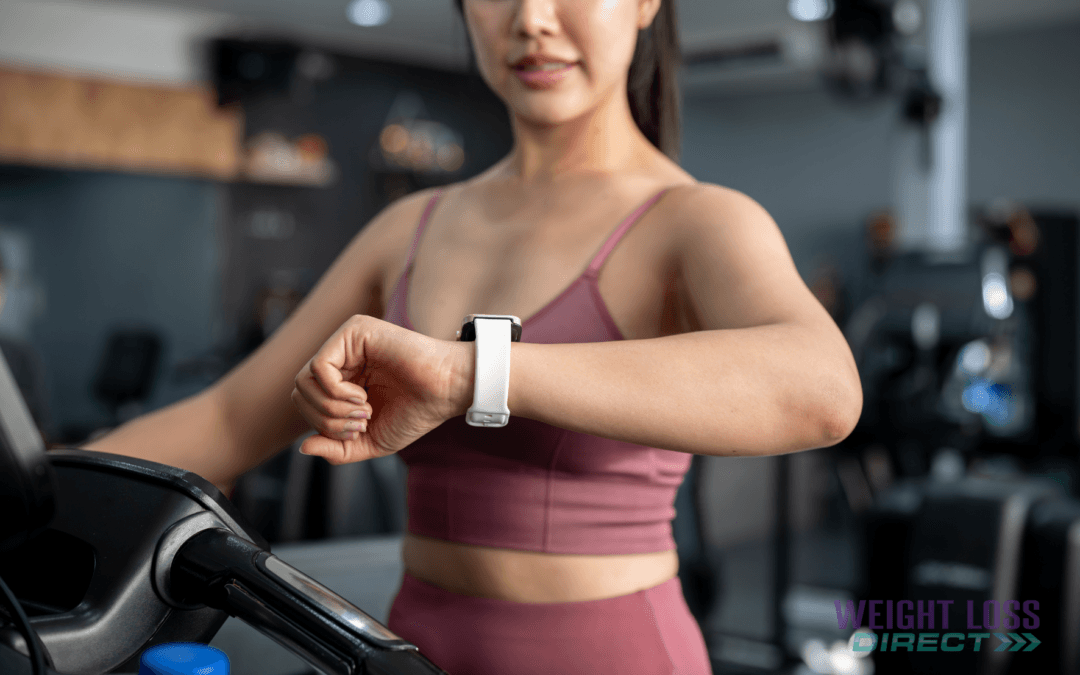
Hitting a weight loss plateau can be incredibly frustrating… especially for women over 40. You’ve been consistent with your nutrition, tracking your macros, and exercising regularly, yet the scale refuses to budge. You may start questioning your efforts and even your ability to lose weight.
Weight loss plateaus are a natural physiological response, not a personal failure. They occur when your body adapts to your current routine, conserving energy and slowing metabolism. Understanding why plateaus happen and how to address them is the key to breaking through and continuing your progress.
In this detailed guide, we’ll cover the main causes of weight loss plateaus, why diets stop working, step-by-step strategies to overcome plateaus, real-world case studies, and common misconceptions, specifically for women over 40.
Why Weight Loss Plateaus Happen
Weight loss plateaus are multifactorial. They often involve metabolic adaptation, hormonal shifts, lifestyle habits, and even psychological factors. Here’s a closer look, with real-world examples and tips to troubleshoot.
1. Metabolic Slowdown
As we age, our basal metabolic rate (BMR) declines naturally. After 40, the loss of lean muscle mass accelerates, and calorie burn at rest diminishes.
Even if you maintain the same diet and exercise plan that once worked, your body now burns fewer calories, making weight loss slower.
Actionable Fixes:
- Incorporate strength training 2–3 times per week to rebuild lean muscle.
- Include resistance exercises like squats, lunges, push-ups, and resistance bands.
- Ensure adequate protein intake to support muscle retention.
- Consider interval or high-intensity workouts to increase post-exercise calorie burn.
Many individuals in their late 40s or early 50s who rely primarily on low‑intensity cardio and strict calorie restriction often find that weight loss plateaus. Research indicates that when resistance training is added along with higher protein intake, improvements in body composition and weight‑loss outcomes are more likely than with calorie restriction alone.”
Common Misconception: Many believe cardio alone is sufficient. In reality, without strength training, muscle loss can slow metabolism and stall weight loss.
2. Hormonal Changes
Hormones like estrogen, progesterone, and cortisol shift during midlife, affecting appetite, fat storage, and energy utilization.
Hormonal changes can lead to increased fat storage around the abdomen, cravings, and fluid retention, making plateaus more noticeable after 40.
Actionable Fixes:
- Prioritize stress management through meditation, yoga, or deep breathing exercises.
- Ensure 7–9 hours of sleep nightly to regulate hormones like leptin and ghrelin.
- Eat balanced meals rich in protein, healthy fats, and fiber to stabilize blood sugar.
- Include magnesium, B vitamins, and omega-3-rich foods to support hormonal balance.
Research shows that poor sleep quality and shorter sleep duration are associated with greater abdominal fat accumulation and visceral fat mass, even when diet and activity levels are similar. One large population study found that adults who slept fewer hours per night tended to have higher amounts of visceral fat compared with those who slept more, suggesting that improving sleep may support reductions in abdominal fat over time.
Common Misconception: Many assume cutting calories drastically will overcome hormonal plateaus. Extreme caloric restriction often worsens hormone imbalances and stalls progress further.
3. Adaptive Thermogenesis (Calorie Adaptation)
When you reduce calories, your body adapts by slowing metabolism and conserving energy. This is called adaptive thermogenesis.
Over time, your initial calorie deficit becomes smaller, slowing weight loss.
Actionable Fixes:
- Implement calorie cycling or short diet breaks to reset your metabolism.
- Reassess your daily caloric needs every few weeks as you lose weight.
- Focus on nutrient-dense, lower-calorie foods to maintain satiety.
Evidence suggests that taking planned breaks from continuous calorie restriction (sometimes called intermittent energy restriction or “diet breaks”) may help improve overall weight loss outcomes and metabolic response. In a randomized controlled trial, participants who alternated periods of calorie restriction with periods of eating at maintenance calories lost more weight and maintained weight loss better than those on continuous caloric restriction. This supports the idea that strategically incorporating brief higher‑calorie periods may help reduce adaptive thermogenesis… the metabolic slowdown that often contributes to weight loss plateaus.
Common Misconception: Some think any plateau signals a need for more cardio or even lower calories. Often, strategic breaks and re-feeding are more effective than further restriction.
4. Overestimating Activity
Many people overestimate the calories they burn through exercise, especially when relying on fitness trackers or apps.
Overestimating burn can lead to eating more than your body actually needs, creating a hidden surplus that halts weight loss.
Actionable Fixes:
- Track food intake accurately using apps or a journal.
- Include strength + HIIT training for maximum calorie burn.
- Reevaluate your exercise routine regularly to challenge your body in new ways.
Calorie estimates on treadmills and many fitness trackers can overestimate actual energy expenditure by up to ~20–40%, and people often overestimate their activity levels, which can lead to eating more than they actually burned.
Common Misconception: People assume all calories burned are equal or fully accurate. Fitness trackers often overestimate, so relying solely on them can mislead.
5. Hidden Foods & Lifestyle Factors
Small habits like snacking, sugary beverages, alcohol, or high-calorie sauces can quietly prevent weight loss.
Actionable Fixes:
- Keep a food and lifestyle journal to identify hidden calories.
- Replace sugary drinks with water, sparkling water, or unsweetened tea.
- Limit alcohol or account for its caloric content.
- Be mindful of late-night snacking, which can add hundreds of calories.
Research shows that consuming alcohol with a meal can suppress fat oxidation (the metabolic process by which the body breaks down fat for energy). A study found that when ethanol was added to a meal, fat oxidation was significantly reduced during the period when alcohol was being metabolized, which contributed to a higher fat balance (greater net fat retained) compared with meals without alcohol.
This metabolic effect helps explain why regular drinking, especially in combination with high-calorie foods or late-night snacking, can hinder progress during a weight loss effort, even if overall calories seem controlled.
Common Misconception: “Small treats don’t matter.” Even 200-300 calories of hidden snacks daily can add up and stall weight loss.
Plateau After 40 (Special Considerations)
Women over 40 face unique challenges affecting weight loss plateaus.
Key Points:
- Muscle mass declines, reducing metabolic rate.
- Hormonal shifts affect fat distribution, often increasing abdominal fat.
- Sleep and stress patterns may be more disrupted.
- Medication or health conditions can influence weight changes.
Practical Tips:
- Focus on resistance training and muscle-preserving activities.
- Prioritize high-quality protein and fiber in every meal.
- Track stress levels and sleep quality, integrating stress-reduction practices.
- Adjust calorie intake to reflect current metabolic needs.
How to Break a Weight Loss Plateau
1. Reassess Calorie Intake
- Track meals accurately. Reduce 100–200 calories/day if needed.
- Focus on nutrient-dense foods to maintain satiety.
2. Mix Up Your Exercise Routine
- Replace cardio-only workouts with strength + interval training.
- Change routines every 4–6 weeks to prevent adaptation.
- Include compound movements to engage multiple muscle groups.
3. Prioritize Protein & Fiber
- Protein helps retain muscle and satiety.
- Fiber stabilizes blood sugar and reduces cravings.
- Aim for at least 25–30 grams of protein per meal.
4. Manage Stress & Sleep
- High cortisol can trigger fat retention.
- Ensure 7–9 hours of quality sleep nightly.
- Integrate yoga, meditation, or mindful breathing.
5. Strategic Diet Breaks or Carb Cycling
- Brief calorie increases or alternating macronutrients can reset metabolism and hormones.
- Consult a nutrition professional for personalized plans.
For a deeper dive into why diets stop working, check out our Why Diets Stop Working blog.
FAQs: Why Weight Loss Stops Working After 40
Q: Why does weight loss stop working after 40?
A: Weight loss often slows after 40 due to reduced muscle mass, hormonal shifts, and metabolic adaptation from repeated dieting. Muscle naturally declines with age, which lowers resting metabolic rate. At the same time, estrogen changes and chronic calorie restriction can make fat loss slower and plateaus more common.
Q: Why do I gain belly fat after 45 even if I eat the same?
Belly fat gain after 45 is commonly linked to declining estrogen levels, which shift fat storage toward the abdomen. Reduced muscle mass and lower daily energy expenditure also contribute. Even if calorie intake stays the same, changes in metabolism and activity can lead to gradual fat gain.
Q: Can eating too few calories stop weight loss?
Eating too few calories for extended periods can trigger metabolic adaptation, where the body reduces energy expenditure to conserve energy. While a calorie deficit is required for fat loss, extremely low intake may slow progress, increase fatigue, and make long-term adherence harder.
Q: Are cardio machines accurate for calorie burn?
Cardio machines provide estimates, not precise measurements. Most use generalized formulas based on age, weight, and speed, which do not account for individual metabolism or body composition. Research shows wearable devices and fitness equipment can have significant error rates compared to laboratory measurements.
Q: How much protein should women over 40 eat to lose weight?
Women over 40 aiming for fat loss typically benefit from consuming approximately 1.2–1.6 grams of protein per kilogram of body weight per day, especially when strength training. Higher protein intake helps preserve muscle mass, which supports metabolism during weight loss.
Q: Does alcohol prevent fat loss?
Alcohol can slow fat loss because the body prioritizes metabolizing alcohol before burning fat. It also provides 7 calories per gram and may increase appetite. Regular intake can reduce fat oxidation and make maintaining a calorie deficit more difficult.
Q: Do diet breaks help with weight loss plateaus?
Planned diet breaks — short periods of eating at maintenance calories — may help reduce metabolic adaptation during prolonged calorie restriction. Some research suggests intermittent energy restriction can support continued fat loss compared to continuous dieting, though total calorie balance still determines results.
Q: Is strength training better than cardio after 40?
Strength training becomes increasingly important after 40 because it helps preserve and build muscle mass. Maintaining muscle supports resting metabolic rate and improves body composition. Cardio supports heart health, but resistance training plays a larger role in long-term metabolic health.
Q: How long does a weight loss plateau last?
A true weight loss plateau is typically defined as no measurable weight change for at least three to four weeks despite consistent calorie control and activity. Short-term stalls of a few days are usually due to water retention, sodium intake, or hormonal fluctuations.
Q: What is the fastest way to break a weight loss plateau?
The most effective way to break a plateau is to reassess calorie intake accuracy, increase protein, prioritize strength training, improve sleep, and reduce hidden calorie sources like alcohol or frequent snacks. Small, consistent adjustments are more effective than drastic calorie cuts.