
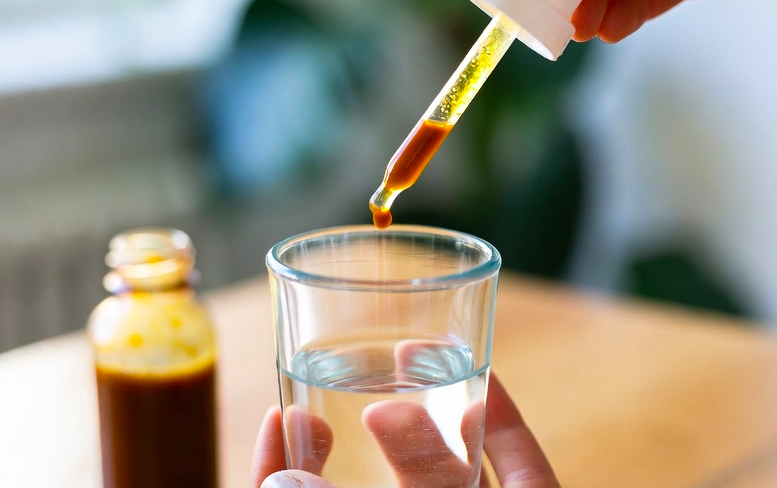
Turmeric benefits cellular health by supporting antioxidant defenses, reducing inflammation at the cellular level, and enhancing key signaling pathways involved in energy, metabolism, and healthy aging. These effects are primarily driven by curcumin, turmeric’s most studied bioactive compound. Research shows curcumin helps neutralize free radicals, modulate inflammatory pathways such as NF-κB, and support cellular resilience, making turmeric especially effective when paired with hydration – and nutrient-supporting ingredients like those found in Hydro-Vitalize®.
JUMP TO:
What Is Cellular Health and Why It Matters
Cellular health refers to how effectively cells protect themselves from damage, communicate with one another, produce energy, and repair stress-related wear. Every biological process metabolism, immune response, hydration, detoxification, and recovery depends on properly functioning cells.
When cells are exposed to chronic oxidative stress, inflammation, dehydration, or nutrient deficiencies, their ability to function efficiently declines. Over time, this cellular stress is associated with fatigue, metabolic imbalance, accelerated aging, and increased disease risk.
Turmeric (Curcuma longa) supports cellular health through its bioactive compounds known as curcuminoids, particularly curcumin, which has been extensively studied for its antioxidant and anti-inflammatory effects at the cellular level.
How Turmeric Supports Cellular Protection
Antioxidant Support Against Oxidative Stress
Turmeric supports cellular protection primarily through its antioxidant activity. Cells naturally generate reactive oxygen species (ROS) during normal metabolism, but excessive ROS can damage DNA, proteins, and cell membranes a process known as oxidative stress.
Curcumin helps counter oxidative stress by directly neutralizing free radicals and by activating the body’s own antioxidant defense systems, including enzymes like superoxide dismutase and glutathione peroxidase. This dual action helps maintain cellular integrity and resilience.
A meta-analysis of randomized controlled trials found that curcumin supplementation significantly increased total antioxidant capacity while reducing markers of oxidative damage such as malondialdehyde, indicating improved protection at the cellular level.
Turmeric and Cellular Inflammation
Turmeric helps regulate inflammation at the cellular level by influencing intracellular signaling pathways rather than suppressing immune function outright. Chronic, low-grade inflammation interferes with cellular communication and contributes to metabolic dysfunction, joint discomfort, and age-related decline.
Curcumin has been shown to modulate NF-κB, a transcription factor that controls the expression of pro-inflammatory genes. By influencing this pathway, curcumin helps reduce cellular inflammatory stress while supporting normal immune balance.
A comprehensive systematic review of randomized controlled trials demonstrated that curcumin supplementation significantly reduced inflammatory biomarkers including C-reactive protein (CRP), TNF-α, and IL-6… key indicators of inflammation occurring at the cellular level.
Supporting Cellular Function and Energy
Beyond antioxidant and anti-inflammatory effects, turmeric supports cellular health by influencing pathways involved in energy regulation and metabolic function. Research suggests curcumin interacts with AMP-activated protein kinase (AMPK), an enzyme often described as the body’s cellular energy sensor.
AMPK plays a critical role in regulating how cells use glucose and fat for energy. By supporting this pathway, curcumin may help cells respond more efficiently to energy demands—an effect that is especially relevant for metabolic health and healthy aging.
These mechanisms help explain why turmeric is increasingly studied in the context of cellular efficiency, metabolic balance, and age-related cellular resilience.
These findings suggest turmeric may support cellular efficiency (not just protection) by helping cells respond appropriately to energy demands.
Turmeric, Hydration, and Nutrient Uptake at the Cellular Level
Healthy cells depend on proper hydration and access to nutrients. While turmeric itself is not a hydrating ingredient, research suggests curcumin may support cell membrane integrity and signaling pathways involved in nutrient transport.
This is why turmeric is often most effective when included in functional wellness blends that also support hydration and mineral balance.
Hydro‑Vitalize® combines turmeric with ingredients like:
- Fulvic acid (trace mineral support)
- Tomato extract (electrolytes like potassium and magnesium)
- Cordyceps extract (cellular energy support)
Together, these ingredients help support hydration, nutrient delivery, and overall cellular function.
Turmeric and Healthy Aging
Cellular aging is driven in part by oxidative damage and chronic inflammation. Research shows curcumin supports pathways like Nrf2, which regulates the body’s natural detoxification and antioxidant enzyme systems.
By supporting these protective pathways, turmeric may help promote:
- Healthy aging at the cellular level
- Resilience against environmental stressors
- Long-term metabolic and immune balance
Turmeric Supplements vs. Dietary Turmeric
Using turmeric as a spice offers general wellness benefits, but most clinical research focuses on concentrated curcumin extracts. Curcumin makes up only a small percentage of turmeric by weight, and its absorption is naturally low.
Many supplements enhance bioavailability by pairing curcumin with black pepper extract (piperine) or by using specialized formulations.
Curcumin on its own is poorly absorbed, but when combined with piperine (the active compound in black pepper) its bioavailability can increase dramatically. Research shows that piperine inhibits enzymes in the gut and liver that normally break curcumin down, allowing much more of it to reach the bloodstream. One study found this combination increased absorption by nearly 2,000%
How to Incorporate Turmeric Into a Daily Wellness Routine
- Add turmeric to soups, roasted vegetables, or teas
- Use turmeric with black pepper to enhance absorption
- Choose supplements designed for cellular and hydration support
- Follow label directions and consult a healthcare provider if needed
Frequently Asked Questions
Q: How much turmeric or curcumin is typically used to support cellular health?
Clinical studies most commonly use 500–1,500 mg of curcumin per day, depending on formulation and bioavailability. These doses are associated with improvements in inflammatory and antioxidant markers at the cellular level.
Q: Is turmeric safe to take daily for cellular health?
Turmeric is generally considered safe when used daily in culinary amounts. Clinical studies using curcumin supplements report good tolerance, though higher doses may cause mild digestive discomfort or interact with certain medications.
Q: How long does it take to see cellular benefits from turmeric?
In clinical trials, improvements in oxidative stress and inflammation markers are often observed after 4–12 weeks of consistent curcumin supplementation, depending on dose and formulation.
Q: Does turmeric directly improve hydration?
Turmeric does not directly hydrate cells, but it supports cellular function and resilience. When combined with electrolytes and trace minerals—such as in Hydro-Vitalize®—it contributes to overall cellular hydration and nutrient delivery.
Final Thoughts
Turmeric supports cellular health through multiple, research-backed mechanisms, including antioxidant protection, inflammation regulation, and metabolic signaling support. These cellular-level effects help explain turmeric’s role in healthy aging, metabolic balance, and long-term wellness.
When paired with hydration- and nutrient-focused ingredients, turmeric becomes an even more powerful tool for supporting whole-body cellular function as part of a daily wellness routine.