
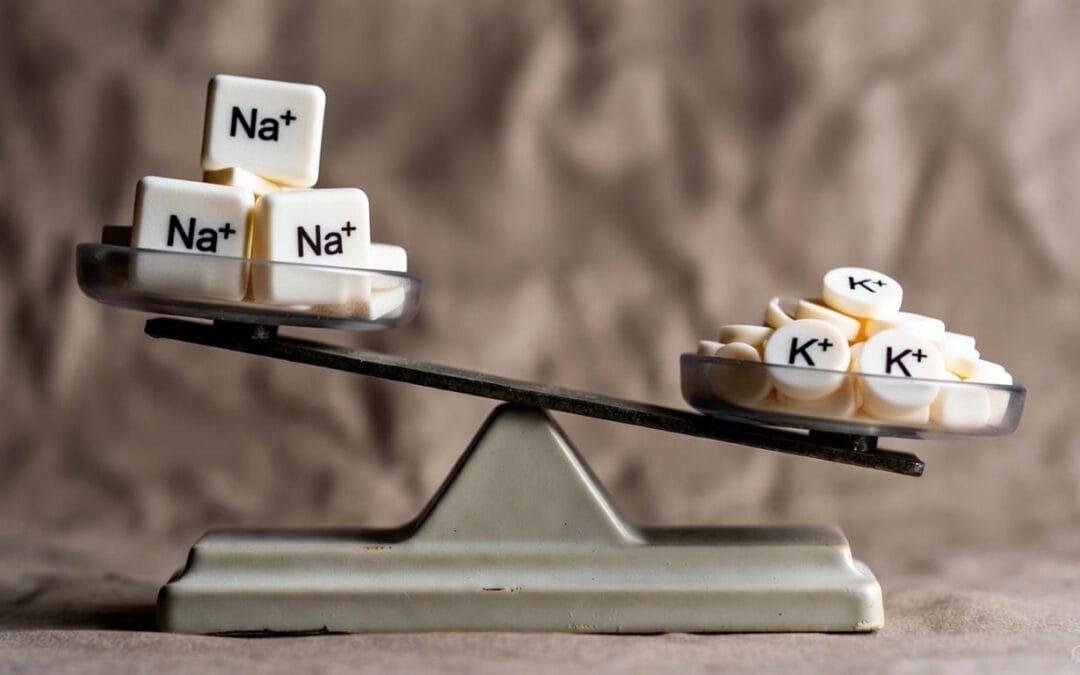
Electrolytes are essential minerals that power hydration, nerve signals, muscle contractions, and heart rhythm.
When levels drop too low or rise too high you may experience fatigue, cramps, dizziness, headaches, or heart irregularities. Electrolyte imbalances are commonly caused by dehydration, excessive sweating, illness, medications, or overhydration.
The good news? Most imbalances can be prevented or corrected naturally through proper hydration and electrolyte-rich foods like leafy greens, bananas, dairy, nuts, seeds, and mineral-rich broths.
Who This Article Is For
This article is for anyone who wants to understand why hydration alone isn’t always enough and how electrolytes quietly influence energy, muscle function, brain clarity, and overall health.
It’s especially helpful if you’ve ever dealt with fatigue, muscle cramps, dizziness, headaches, or felt “off” despite eating well and drinking plenty of water. If you exercise regularly, sweat often, follow a restrictive or low-carb diet, are recovering from illness, or simply want to prevent nutrient imbalances before they become problems, this guide will help you understand what’s happening inside your body and how to support it naturally.
What Are Electrolytes and How Do They Work?
Electrolytes are minerals that form charged ions when dissolved in water, creating the electrical impulses your cells rely on to communicate.
Sodium and potassium establish voltage differences across cell membranes, allowing nerves to fire and muscles to move. Calcium acts as a switch to trigger muscle contractions, including the heartbeat, while magnesium serves as the brake, helping muscles relax and supporting hundreds of enzymatic reactions. Chloride and bicarbonate, though less discussed, maintain fluid balance and pH levels, keeping the cellular environment stable.
Imagine electrolytes as conductors of a symphony: each has its role, and when even one is out of tune, the music — your body’s function — falters.
Why Electrolytes Are Essential
Electrolytes influence every aspect of bodily function. They govern hydration, ensuring water moves appropriately in and out of cells, and regulate acid-base balance, which is crucial for enzymes and metabolic reactions. They drive nerve signaling and muscle contractions, from lifting your morning cup of coffee to the steady beat of your heart.
Even mild imbalances can cause fatigue, brain fog, or cramps, while severe deviations can become life-threatening. Understanding these minerals is crucial for energy, performance, and overall wellness.
Electrolyte Functions and Roles
Understanding each electrolyte individually helps explain their unique roles and why imbalances can be so disruptive.
Sodium (Na⁺)
Controls fluid balance and nerve signaling. It determines how water moves in and out of cells and ensures proper nerve communication. Low sodium can cause fatigue, confusion, and nausea, while excess sodium can lead to high blood pressure and intense thirst.
Potassium (K⁺)
Works closely with sodium to maintain fluid balance and muscle function, especially in the heart. Low potassium may cause weakness, cramps, and irregular heartbeats; high potassium can also be dangerous, causing arrhythmias.
Calcium (Ca²⁺)
Calcium is vital for muscle contraction, nerve signaling, and blood clotting, in addition to bone health. Deficiency can trigger spasms or tingling, while excess calcium may cause kidney stones and digestive issues.
Magnesium (Mg²⁺)
Supports enzyme reactions, nerve function, and muscle relaxation. Low magnesium can lead to cramps, tremors, and fatigue; high levels may affect heart rhythm and blood pressure.
Chloride (Cl⁻)
Partners with sodium to maintain fluid balance and supports digestion through stomach acid. Deficiency is rare but usually accompanies low sodium.
Phosphate (PO₄³⁻)
Helps with energy production and bone structure. Low phosphate may cause weakness and bone pain, while excess can disrupt heart rhythm and calcium balance.
Bicarbonate (HCO₃⁻)
Serves as a buffer to maintain stable blood pH. Imbalances can result in acidosis or alkalosis, affecting overall metabolism.
What Happens When Electrolytes Are Low
Cellular Communication Starts to Break Down
When electrolyte levels drop, the body’s ability to send electrical signals begins to falter. Electrolytes such as sodium, potassium, calcium, and magnesium act as conductors that allow nerves to fire, muscles to contract, and fluids to move properly in and out of cells. Without enough of them, communication between systems slows — and symptoms begin to appear.
Early Warning Signs Are Easy to Miss
Low sodium can disrupt fluid balance and nerve signaling, leading to headaches, nausea, dizziness, mental confusion, and fatigue. Potassium deficiency often shows up as muscle weakness, cramping, twitching, or irregular heart rhythms, while low calcium or magnesium can interfere with muscle relaxation, contributing to spasms, tremors, poor sleep, and gradual bone weakening.
What makes electrolyte imbalance tricky is that early symptoms are often subtle. Feeling run-down, mentally foggy, or lightheaded when standing is easy to dismiss — yet these are often the body’s first signals that mineral balance is off.
When Imbalances Become More Serious
If deficiencies persist, the effects can compound. Ongoing electrolyte imbalances may strain the cardiovascular system, disrupt hormone signaling, and interfere with the body’s ability to regulate fluids and maintain steady energy levels. In more severe or untreated cases, low electrolytes can increase the risk of heart rhythm disturbances, neurological symptoms, or hospitalization.
The encouraging news is that most electrolyte deficiencies are preventable and reversible when addressed early through diet, hydration, and lifestyle support — which we’ll cover next.
What Causes Electrolyte Imbalance?
Electrolyte levels can fluctuate due to multiple factors. Excessive sweating during exercise, fever, vomiting, or diarrhea can quickly deplete minerals. Overhydration can dilute sodium levels, creating hyponatremia. Chronic kidney disease, hormonal disorders, medications like diuretics, and restrictive diets can also interfere with electrolyte balance.
Understanding these triggers helps prevent imbalances before they become problematic.
How to Restore Electrolyte Balance Naturally
For most people, electrolyte balance can be restored naturally through diet, proper hydration, and attention to lifestyle factors. Consuming a mix of electrolyte-rich foods, maintaining adequate water intake, and monitoring activity levels during heat or illness are effective strategies.
In some cases, healthcare providers may recommend supplements or targeted hydration solutions, especially after prolonged illness or intense physical activity.
Best Foods for Electrolytes
Eating a variety of nutrient-dense foods ensures adequate electrolyte intake. Some of the best options include:
- Potassium: Bananas, potatoes, spinach, avocados
- Calcium: Dairy, fortified plant milks, kale, broccoli
- Magnesium: Nuts, seeds, whole grains, leafy greens
- Sodium and Chloride: Table salt, broths, olives, tomatoes
- Phosphate: Meats, dairy products, legumes
These foods not only supply electrolytes but also provide cofactors that enhance absorption and overall health.
Key Electrolytes Table: Quick Reference Guide
For a quick reference, here’s a table summarizing the key electrolytes, their roles, normal ranges, common symptoms of deficiencies or excesses, and dietary sources:
| Electrolyte | Role | Normal Range | Deficiency Symptoms | Excess Symptoms | Dietary Sources (with examples) |
|---|---|---|---|---|---|
| Sodium (Na⁺) | Fluid balance, nerve/muscle function | 135–145 mEq/L | Headache, confusion, nausea, weakness | Thirst, agitation, high BP | Table salt, broth, pickles |
| Potassium (K⁺) | Heart rhythm, muscle contraction | 3.5–5.0 mEq/L | Fatigue, cramps, irregular heartbeat | Arrhythmias, muscle weakness | 1 banana (~420 mg), 1 cup spinach (~540 mg) |
| Calcium (Ca²⁺) | Bone health, muscle contraction, nerve signaling | 8.5–10.5 mg/dL | Spasms, tingling, weak bones | Constipation, kidney stones | 1 cup milk (~300 mg), 1 cup kale (~180 mg) |
| Magnesium (Mg²⁺) | Enzyme reactions, muscle relaxation | 1.7–2.2 mg/dL | Muscle cramps, tremors, fatigue | Low BP, nausea, heart issues | 1 oz almonds (~80 mg), 1 cup spinach (~150 mg) |
| Chloride (Cl⁻) | Fluid balance, digestion | 98–106 mEq/L | Rare; often accompanies sodium issues | Can cause dehydration, acidosis | Table salt, tomatoes, olives |
| Phosphate (PO₄³⁻) | Energy production, bone structure | 2.5–4.5 mg/dL | Weakness, bone pain | Heart rhythm issues, calcium imbalance | Meat, dairy, nuts |
| Bicarbonate (HCO₃⁻) | pH buffer | 22–29 mEq/L | Acidosis, fatigue | Alkalosis, muscle spasms | Naturally maintained by body; minimal dietary need |
Bringing It All Together
Electrolytes are the foundation of your body’s electrical and chemical systems. They allow your heart to beat steadily, your nerves to send clear messages, and your muscles to move with precision. By understanding and supporting these minerals through diet, hydration, and mindful attention to symptoms, you ensure that your body’s symphony plays in perfect harmony, every day.