
Can you lose 50 pounds in 6 months and more importantly, is it actually healthy? The short answer: yes, it’s possible, but not for everyone, and not always safely.
Most health experts recommend losing about 1–2 pounds per week, which equals 26–52 pounds in 6 months. But here’s what most articles won’t tell you… losing weight that quickly depends heavily on your starting weight, hormones, metabolism, and strategy. Doing it the wrong way can lead to muscle loss, metabolic slowdown, and rebound weight gain
So the real question isn’t just “can you lose 50 pounds?” It’s: Can you lose it in a way that actually lasts?
Studies indicate that structured weight loss plans are effective in helping overweight adults achieve significant weight loss.
TABLE OF CONTENTS:
Can You Lose 50 Pounds in 6 Months?
Is Losing 50 Pounds in 6 Months Healthy?
Understanding the Weight Loss Journey
1. Setting Realistic Goals
2. Creating a Calorie Deficit
3. Importance of Nutrition in Weight Loss
4. Whole Foods and Balanced Diet
5. Understanding Macronutrients
6. Portion Control and Meal Timing
7. Incorporating Regular Exercise
8. Tracking Your Progress
9. Staying Hydrated and Managing Cravings
10. The Importance of Sleep and Stress Management
11. Building a Support System
12. Adjusting Your Plan and Overcoming Plateaus
13. Celebrating Your Success and Maintaining Weight Loss
Can You Lose 50 Pounds in 6 Months?
Yes, but here’s the part most people don’t realize. While it is possible, it typically only happens when someone has a higher starting weight and follows a consistent plan that results in about 1–2 pounds of weight loss per week.
Even then, it’s not the right approach for everyone. And despite what you might see online, losing 50 pounds in 1–2 months is not realistic or safe for many people.
That’s why the real focus shouldn’t just be how fast you can lose the weight, but whether you’re doing it in a way your body can actually sustain.
Is Losing 50 Pounds in 6 Months Healthy?
Losing 50 pounds in 6 months can be healthy, but it depends heavily on how the weight is lost. For some individuals, especially those starting at a higher body weight, this rate of weight loss falls within a generally accepted range of about 1–2 pounds per week. However, the method you use matters just as much as the timeline itself. When weight loss is too aggressive or not properly supported, it can create unintended stress on the body.
Potential Risks of Losing Weight Too Quickly
1. Nutrient Deficiencies
Rapid weight loss often comes from significantly reducing calorie intake. While this can lead to faster results on the scale, it may also limit your intake of essential nutrients like protein, healthy fats, vitamins, and minerals. Over time, this can impact energy levels, immune function, and overall health.
2. Muscle Loss (Not Just Fat Loss)
When the body is in a large calorie deficit, especially without adequate protein or resistance training, it may break down muscle tissue for energy. This is important because muscle plays a key role in maintaining metabolic rate. Losing muscle can make it harder to keep weight off long-term.
3. Sustainability & Weight Regain
One of the biggest concerns with faster weight loss is whether it can be maintained. Extreme approaches are often difficult to sustain, and once normal eating patterns return, weight regain becomes more likely. This is often referred to as the “yo-yo effect.”
What Makes Weight Loss Healthier and More Sustainable?
Rather than focusing only on how quickly the weight comes off, a healthier approach prioritizes:
- Adequate protein intake to support muscle retention
- Nutrient-dense foods to prevent deficiencies
- A moderate calorie deficit (not extreme restriction)
- Strength training to preserve lean mass
- A plan that can realistically be maintained long-term
The Bottom Line
Losing 50 pounds in 6 months can be done in a healthy way—but only when it’s approached with the right strategy. The goal isn’t just to lose weight quickly. It’s to lose it in a way that supports your body, protects your metabolism, and helps you keep the weight off for good.
Understanding the Weight Loss Journey
Weight loss is more than just a physical transformation. It’s a journey that requires a shift in mindset and lifestyle. It’s about making healthier choices, staying active, and learning to listen to your body.
Understanding this journey is the first step towards achieving your weight loss goals. It’s crucial to know that weight loss isn’t a linear process. There will be ups and downs, plateaus, and setbacks. But these are all part of the journey. It’s also important to remember that everyone’s weight loss journey is unique. What works for one person may not work for another.
So, it’s essential to find what works best for you and stick to it. This guide will provide you with a variety of strategies to help you on your journey to lose 50 pounds in 6 months.
1. Setting Realistic Goals
Setting realistic goals is the first step in your weight loss journey. It’s important to aim for a healthy and sustainable weight loss rate. For most people, losing 1-2 pounds per week is considered safe and achievable. This means that losing 50 pounds in 6 months is a realistic and healthy goal, but is it healthy to lose 50 pounds in 6 months?
The key is focusing on a balanced approach that prioritizes proper nutrition, regular exercise, and overall well-being. Rapid weight loss through extreme diets or excessive restrictions can be harmful, but when done correctly, significant weight loss over six months can improve overall health and reduce the risk of weight-related conditions.
Remember, the goal is not just to lose weight, but to do it in a way that is healthy and sustainable. Setting realistic goals will help keep you motivated and prevent discouragement if you don’t see immediate results.
2. Creating a Calorie Deficit
To lose weight, you need to create a calorie deficit. This means you need to burn more calories than you consume.
The easiest way to create a calorie deficit is by combining a healthy diet with regular exercise. This approach allows you to eat enough to fuel your body while still losing weight.
Here are some strategies to create a calorie deficit:
- Reduce your calorie intake: Start by cutting out high-calorie, low-nutrient foods. Replace them with nutrient-dense, lower-calorie options.
- Increase your physical activity: Regular exercise helps you burn more calories. It also boosts your metabolism, helping you burn calories even when you’re not working out.
- Combine diet and exercise: This is the most effective way to create a calorie deficit. It allows you to eat a balanced diet while still losing weight.
Remember, it’s important to create a calorie deficit in a healthy and sustainable way. Extreme calorie restriction can lead to nutrient deficiencies and other health problems.
3. Importance of Nutrition in Weight Loss
Nutrition plays a crucial role in weight loss. What you eat can significantly impact your ability to lose weight and maintain weight loss.
A healthy diet provides the nutrients your body needs to function properly. It also helps you feel full and satisfied, which can prevent overeating.
Here are some key aspects of nutrition to consider for weight loss:
- Eating a variety of nutrient-dense foods
- Balancing your intake of macronutrients (proteins, fats, and carbohydrates)
- Practicing portion control
- Timing your meals to support your metabolism and energy levels

4. Whole Foods and Balanced Diet
A diet rich in whole foods is key for weight loss. Whole foods are minimally processed and high in nutrients.
These foods include fruits, vegetables, lean proteins, whole grains, and healthy fats. They provide the vitamins, minerals, and fiber your body needs.
Eating a balanced diet means including a variety of these foods in your meals. This ensures you get a wide range of nutrients and helps prevent nutrient deficiencies.
5. Understanding Macronutrients
Macronutrients are the nutrients your body needs in large amounts. They include proteins, fats, and carbohydrates.
Each macronutrient plays a unique role in your body. Proteins help build and repair tissues. Fats provide energy and support cell growth. Carbohydrates are your body’s main source of energy.
Balancing your intake of macronutrients can help you lose weight. It can also support your overall health and well-being.
6. Portion Control and Meal Timing
Portion control is another important aspect of nutrition for weight loss. Eating too much of even healthy foods can lead to weight gain. Learning to recognize appropriate portion sizes can help you manage your calorie intake. It can also prevent overeating.
Meal timing can also impact weight loss. Eating regular meals helps regulate your metabolism. It also helps prevent hunger and cravings.
7. Incorporating Regular Exercise
Exercise is a key component of any weight loss plan. It helps burn calories and build muscle, which can boost your metabolism.
Regular physical activity can also improve your overall health. It can reduce your risk of chronic diseases, improve your mood, and boost your energy levels.
Here are some key aspects of exercise for weight loss:
- Incorporating both cardio and strength training exercises
- Starting slow and gradually increasing the intensity and duration of your workouts
- Finding activities you enjoy to make exercise a regular part of your lifestyle
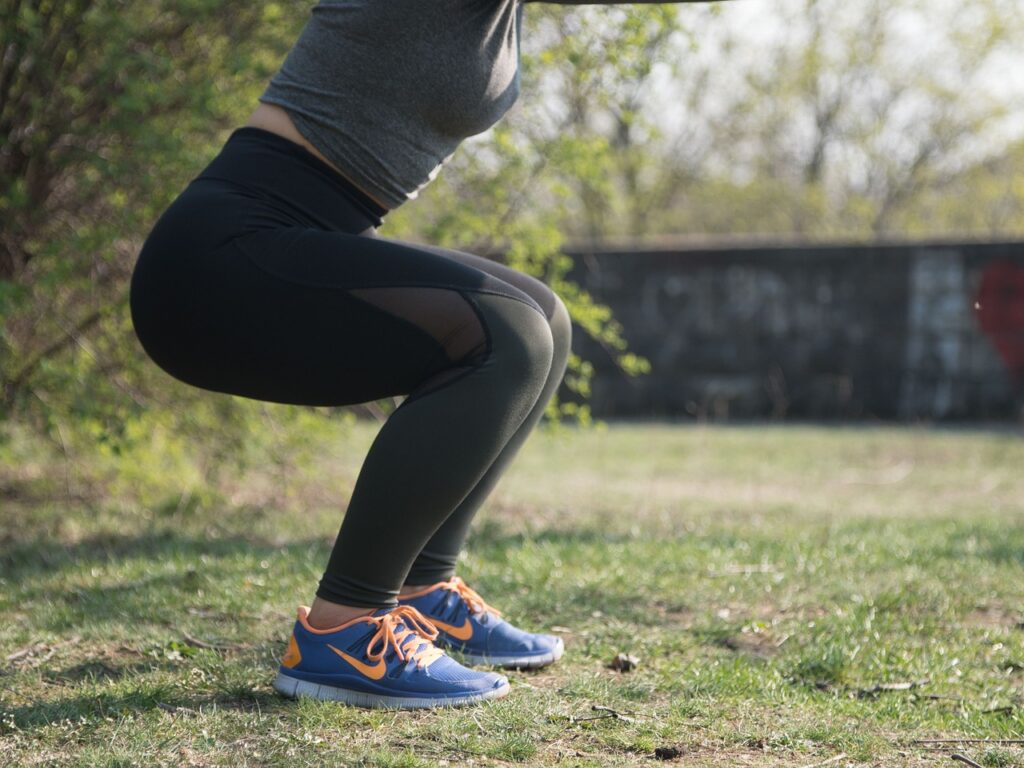
Types of Exercises for Weight Loss
There are many types of exercises that can help you lose weight. The best type for you depends on your fitness level, preferences, and goals.
Cardio
Cardio exercises, like running or cycling, can burn a lot of calories. They can also improve your cardiovascular health.
Strength Training
Strength training exercises, like weight lifting, can build muscle. This can increase your resting metabolic rate, which helps you burn more calories even when you’re not exercising.
High-intensity Interval Training
High-intensity interval training (HIIT) combines short bursts of intense exercise with periods of rest. It can burn a lot of calories in a short amount of time.
Building a Consistent Workout Routine
Consistency is key when it comes to exercise. It’s important to make exercise a regular part of your routine.
Start by setting a workout schedule that fits your lifestyle. This could be working out in the morning, during your lunch break, or in the evening.
Try to aim for at least 150 minutes of moderate-intensity exercise or 75 minutes of vigorous-intensity exercise each week. This is the minimum recommended amount of exercise for adults.
Remember, it’s okay to start slow and gradually increase your workout duration and intensity. The most important thing is to stay consistent.
8. Tracking Your Progress
Tracking your progress is crucial in your weight loss journey. It helps you stay motivated and allows you to adjust your plan as needed.
You can track your progress in several ways. You can weigh yourself, take body measurements, or take progress photos.
Here are some tips for tracking your progress:
- Weigh yourself at the same time each day for consistency
- Take body measurements once a month to track changes in your body composition
- Take progress photos to visually see your transformation
The role of technology in tracking
Technology can be a great tool for tracking your progress. There are many apps and devices that can help you track your food intake, exercise, and weight loss.
Fitness trackers and smartwatches can track your steps, heart rate, and calories burned. They can also monitor your sleep, which is important for weight loss.
Food tracking apps can help you log your meals and snacks. They can provide insights into your eating habits and help you stay within your calorie budget.
Remember, the goal of tracking is not to obsess over every detail. It’s to provide feedback and help you make informed decisions about your weight loss plan.
9. Staying Hydrated and Managing Cravings
Staying hydrated is essential for your overall health and weight loss. Water can help control your appetite and boost your metabolism.
Aim to drink at least eight glasses of water a day. You may need more if you’re exercising or if it’s hot outside.
Managing cravings is another key aspect of weight loss. Cravings can lead to overeating and weight gain.
Try to identify the triggers for your cravings. Are you actually hungry, or are you bored, stressed, or tired? Finding healthy ways to cope with these triggers can help you manage your cravings and stay on track with your weight loss plan.
10. The Importance of Sleep and Stress Management
Sleep plays a crucial role in weight loss. Lack of sleep can disrupt your metabolism and increase your hunger and cravings. Aim for seven to nine hours of sleep per night. Establish a regular sleep schedule and create a relaxing bedtime routine to improve your sleep quality.
Stress can also impact your weight loss. High stress levels can lead to emotional eating and disrupt your sleep.
Find healthy ways to manage your stress. This could include exercise, meditation, deep breathing exercises, or talking to a friend or counselor.
11. Building a Support System
A strong support system can be a powerful tool in your weight loss journey. It can provide motivation, accountability, and emotional support when things get tough.
Consider sharing your weight loss goals with friends, family, or a weight loss group. They can cheer you on, offer advice, and help you stay on track.
If you prefer a more private approach, consider working with a personal trainer or dietitian. They can provide professional guidance and personalized advice.
Remember, everyone’s journey is unique. Find the type of support that works best for you.
12. Adjusting Your Plan and Overcoming Plateaus
Weight loss is not a linear process. You may hit plateaus where your weight seems to stay the same despite your efforts. This is normal and part of the journey.
When you hit a plateau, it’s time to reassess your plan. You might need to adjust your calorie intake, change your workout routine, or address other lifestyle factors.
Remember, the scale is not the only measure of progress. Changes in body composition, energy levels, and overall health are also important indicators. Stay patient and persistent. With time and consistency, you will overcome plateaus and continue your progress.
13. Celebrating Your Success and Maintaining Weight Loss
Reaching your weight loss goal is a significant achievement. Celebrate your success and acknowledge the hard work you’ve put in. Remember, every step forward, no matter how small, is a victory.
However, the journey doesn’t end here. Maintaining your weight loss is equally important. This requires continued commitment to healthy eating and regular exercise.
Remember to adjust your calorie intake and exercise routine as needed. Your body’s needs will change as you lose weight.
Stay motivated by setting new health and fitness goals. This will help you maintain your new lifestyle and prevent weight regain.