
If you’ve noticed slower digestion, unexpected fatigue, or stubborn weight gain as you’ve gotten older, you’re not alone and sometimes the culprit may be closer than you think. Gluten (a protein found in wheat, barley, and rye) is one of the most talked-about nutrients in modern nutrition. Some cut it out for better digestion, fewer cravings, and reduced bloating, while others eliminate it due to sensitivities or medical conditions. But what’s the truth?
This guide breaks down what gluten is, why some people go gluten-free, and how it can fit into a sustainable weight-loss and wellness plan, and provides gluten free foods, snacks, & recipes.
How Your Body Reacts to Gluten
Gluten is a general name for the proteins found in wheat (wheatberries, durum, emmer, semolina, spelt, farina, & farro), rye, barley and triticale – a cross between wheat and rye. It’s what helps give dough its elasticity, shape, and helps it to rise into a tasty loaf of bread.
You’ll find gluten in more foods than you might expect from breads, pastas, and cereals to sauces, salad dressings, and even soups that use flour as a thickener.
However, gluten proteins can be difficult to digest because they are highly resistant to the protease enzymes that break down proteins in your digestive tract. During the digestion process, these gluten proteins are not being broken down into smaller, more easily absorbed amino acids as your body would prefer; they’re being absorbed as larger, partially digested peptides (rather than small individual amino acids).
Additionally, gluten proteins react with an enzyme called transglutaminase that, in Celiac patients only, triggers an autoimmune response, due to a gene mutation in these patients.
Medical Conditions Requiring a Gluten Free Diet
Some find that eating foods with gluten can cause some bodily discomfort and/or health issues when ingested. These people may come to realize that they have a gluten sensitivity and possibly even have Celiac’s disease. Celiac’s disease affects about 1% of the population. It is an inherited autoimmune disease where when gluten has been ingested it causes an inflammatory response and this can cause damage especially to the lining of the small intestines.
When the small intestines continue to take on long-term damage, it makes it difficult for your body to absorb necessary nutrients in turn damaging overall health. This can even lead to more detrimental health issues and other autoimmune disorders.
Unfortunately, there is no current cure for this disease, but a gluten-free diet helps those with the disease and those with sensitivities as well.
Gluten-Related Conditions
For some people, gluten can cause serious or uncomfortable health issues:
- Celiac Disease: An autoimmune condition in which gluten triggers an immune response that damages the small intestine. A strict gluten-free diet is essential.
- Non-Celiac Gluten Sensitivity: A less severe, but still uncomfortable reaction to gluten that may cause bloating, fatigue, or joint pain.
- Wheat Allergy: An allergic reaction to proteins found in wheat, including but not limited to gluten.
If you experience digestive discomfort, fatigue, or skin issues after eating gluten-containing foods, it’s best to consult a healthcare provider before removing gluten completely.
Why People Go Gluten-Free
There are a few main reasons people remove gluten from their diet:
- Medical necessity (for those with celiac disease or gluten sensitivity)
- Digestive wellness – some find less bloating and discomfort after cutting back
- Weight-loss goals – many people naturally reduce processed foods when avoiding gluten
It’s important to note that going gluten-free doesn’t automatically equal healthier eating or guaranteed weight loss. Some gluten-free products are highly processed or high in sugar. The key is focusing on whole, naturally gluten-free foods that support your goals.
Does Gluten-Free Support Weight Loss?
Research shows that people who eliminate gluten sometimes lose weight, but usually because they’ve cut out refined carbs, breads, and processed foods not because gluten itself causes weight gain.
That said, many women in mid-life find that a gluten-free or gluten-limited diet helps reduce inflammation, support digestion, and improve energy all of which can make sticking to a healthy lifestyle easier.
When done the right way, a gluten-free plan can support metabolic balance, reduce cravings, and promote better gut health.
Common Symptoms of Gluten Sensitivity

- Bloating
- Constipation or Diarrhea
- Abdominal pain and/or vomiting
- Headache
- Joint pain
- Stomach Ache
- Brain Fog
Foods to Avoid when Sensitive to Gluten:
- Couscous
- Faro
- Products containing wheat- such as bread
- Semolina
- Spelt
- Bulgur
- Processed lunch meats
- Oats (oats themselves do not contain gluten, but they are often process in a facility that produces gluten-containing grains and there may be cross contamination)
- Barley malt & malt vinegar
- Beer
- Meat and vegetable broth
- Seasoning and spice mixes
- Soy sauce
- Crackers
- Cereals
- Baked goods
- Flour tortillas
Gluten Free Alternatives:
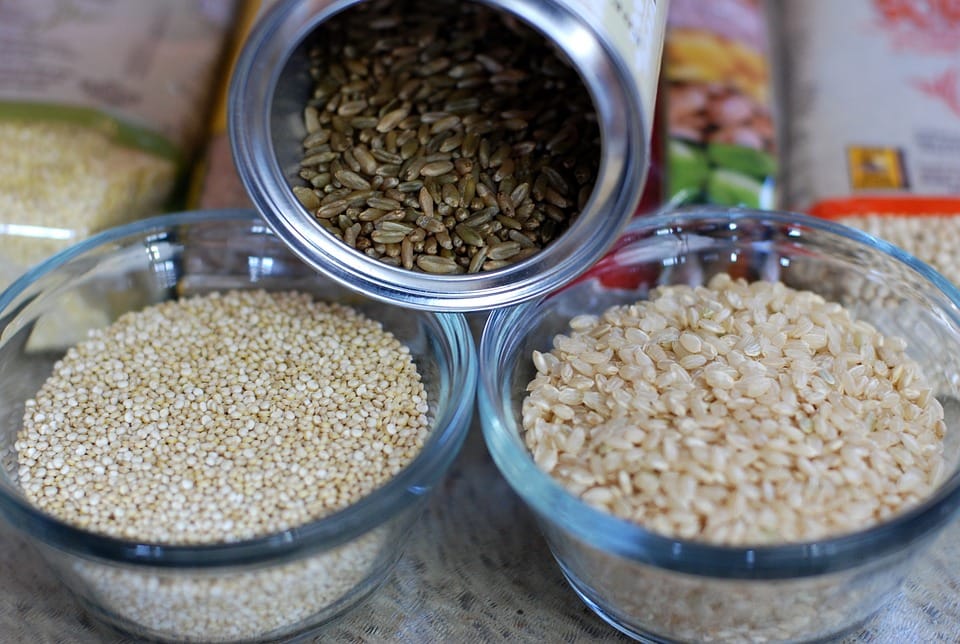
- Brown rice
- Coconut or almond flour
- Quinoa
- Flax
- Corn or potato products
- Balsamic, red wine, apple cider vinegar
- Certified gluten-free broth
- Noodles made from beans or lentils
- Nuts
- Gluten-free baked goods, crackers, cereals, etc.
- Fresh fruits and veggies
- Eggs
- Lean, non-processed meats, fish, and poultry
20 Gluten Free Snacks

- Rice cakes
- Rice crackers
- Popcorn
- Nut-crackers
- Hummus
- Fresh vegetables
- Fresh fruits
- Green pea crips
- Pickles
- Olives
- Cheese
- Dried fruits
- Jerky
- Dried Sweet potato chips
- Dried apple chips
- Apple sauce
- Granola
- Protein powders
- Peanut butter
- Non-fat green yogurt
Gluten Free Recipes To Try
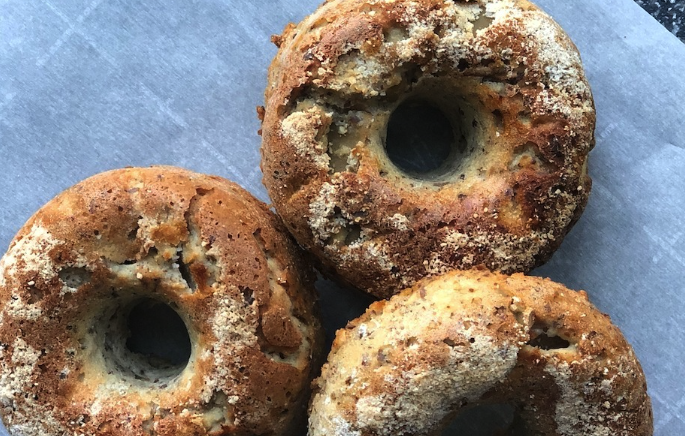
Apple Cinnamon, Gluten Free Bagels
Ingredients:
- 1.5 cups almond flour
- 1/4 cup flax meal
- 4 eggs
- 2 tbsp apple cider vinegar
- 1 tbsp coconut flour
- 1/2 tbsp coconut oil
- 1 tsp baking soda
- 1 large apple diced
- 1/4 tsp pink salt
- 1 – 2 packets SweetLeaf Stevia
- 1 dropperful SweetLeaf vanilla creme stevia or more to taste
- cinnamon, to taste
Instructions:
- Preheat oven to 350 degrees
- Grease donut pan and dust with coconut flour
- Mix diced apple with stevia packet and cinnamon
- Heat coconut oil in skillet and cook apples
- Pulse almond flour, flax meal, coconut flour, baking soda, and salt in food processor
- Add eggs, vinegar, half of the cooked apples, and vanilla stevia and process until combined
- Place batter and rest of cooked apples in Ziploc back, snip off corner, and pipe into donut pan
- Bake for 20-25 minutes or until toothpick inserted into center comes out clean
- Remove from oven and allow to cool in pan for 1 hour
Servings 6 | Calories: 271kcal | Carbohydrates: 14g | Protein: 11g | Fat: 21g | Saturated Fat: 3g | Cholesterol: 109mg | Sodium: 326mg | Potassium: 134mg | Fiber: 6g | Sugar: 5g | Vitamin A: 178IU | Vitamin C: 2mg | Calcium: 94mg | Iron: 2mg
Grain Free, Gluten Free Donuts

Ingredients:
- 2 eggs
- 1 cup egg whites
- 3 tbsp coconut flour
- 1 tsp coconut flour
- 1/2 cup flax meal
- 1.5 tsp baking powder
- stevia to taste
- optional – granulated natural sweetener of choice cover donut or non-fat greek yogurt sweetened with protein powder of choice or stevia as “icing”
Instructions:
- Preheat oven to 350 degrees
- Lightly grease silicone donut pan
- Combine eggs and egg whites in blender cup or magic bullet
- Add in flax meal, coconut flour, baking soda, stevia
- Pulse until well combined
- Pour batter evenly into donut pan
- Bake for 20 minutes
Servings 6 | Calories: 132kcal | Carbohydrates: 7g | Protein: 9g | Fat: 8g | Saturated Fat: 2g | Cholesterol: 55mg | Sodium: 102mg | Potassium: 296mg | Fiber: 5g | Sugar: 1g | Vitamin A: 79IU 2g | Calcium: 88mg | Iron: 1mg
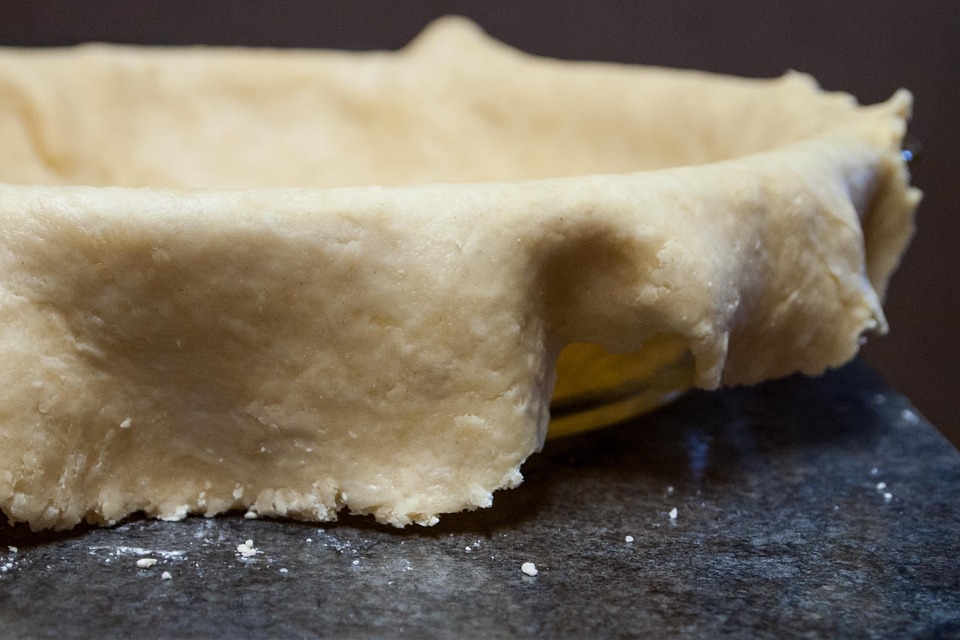
Grain Free, Gluten Free Pie Crust
Ingredients:
- 1/2 cup coconut oil
- 2 eggs
- 1/4 tsp pink salt
- 3/4 cup coconut flour
- 1 – 2 dropperfuls SweetLeaf Stevia
Instructions:
- Preheat oven to 400 degrees
- Melt coconut oil
- In medium bowl, mix oil, eggs, stevia, and salt together with a fork
- Add coconut flour and stir until dough holds together
- Gather the dough into a ball with hands
- Flatten dough out evenly into a 9″ greased pie pan
- Prick dough with a fork
- Bake for 8-10 minutes or until lightly brown
Servings 8 | Calories: 181kcal | Carbohydrates: 6g | Protein: 3g | Fat: 16g | Saturated Fat: 14g | Cholesterol: 41mg | Sodium: 112mg | Potassium: 15mg | Fiber: 4g | Sugar: 1g | Vitamin A: 60IU | Calcium: 6mg | Iron: 0.5mg
Common gluten-food related Q&A
Question: Is rice gluten free? | Answer: Yes, all rice varieties are gluten free.
Question: Is oatmeal gluten free? | Answer: Yes, oatmeal is gluten free though it contains a protein called avenin which has some similarities to gluten and may cause slight issues for those sensitive to gluten.
Question: Is quinoa gluten free | Answer: Yes, quinoa is gluten free.
Question: Are potatoes gluten free? | Answer: Yes, all varieties of potatoes are gluten free.
Question: Is cornstarch gluten free? | Answer: Yes, cornstarch is naturally gluten free.
Question: Is farro gluten free? | Answer: No, farro is a type of wheat and therefore contains gluten.
Question: Are corn tortillas gluten free? | Answer: Yes, corn tortillas are gluten free.
Question: Are marshmallows gluten free? | Answer: Most marshmallows are gluten free, its best to double check the food nutrition label to be sure.
Question: Is buckwheat gluten free? | Answer: Yes, buckwheat is gluten free despite ‘wheat’ being part of its name.
Question: Are Doritos gluten free? | Answer: Kind of, Doritos are corn toritilla chips and therefore have no gluten ingredients in the chip itself, however, the flavoring added may contain trace amounts of gluten. There is an organic, gluten free option of Doritos.
Question: Are rice krispies gluten free? | Answer: No, rice krispies are made with a malt syrup ingredient which is not gluten free.
Question: Can diabetics eat gluten free foods? | Answer: Sure, however, many gluten free foods still contain carbohydrates and sugars that may negatively impact ones diabetic condition. It may be best to consult with a healthcare professional on this topic.
Additionally you can see which foods are ideal for a gluten free, diabetic diet by having your unique health information analyzed by Weight Loss Intelligence.
Going gluten free isn’t tough & may improve your quality of life
You can still eat the foods you love while following a gluten-free diet. Many grocery stores have a special section for gluten free items which makes the condition much more manageable.
Being allergic to gluten may have been a struggle in the past, but now it’s become a simple lifestyle change.
Many (even if not highly allergic) choose to go gluten-free just to reap the benefits of weight loss, improved gastrointestinal health, improved athletic performance, and more. Have you tried going gluten-free? Share your experience on our social pages!